
Osteopathy
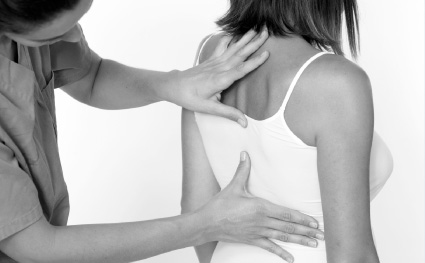
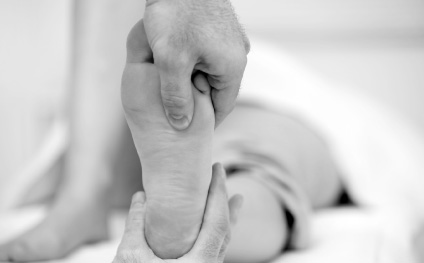
Osteopathy is a natural physical medicine and science that views an individual as a whole person. The goal of treatment is to relieve pain by removing strains, restore mobility, health and vitality to different systems of the body/ musculoskeletal, circulatory, digestive, pulmonary and nervous system thus improving regulation and interaction of these systems. A treatment plan is formulated by understanding the relationship between the structures of the body and how well it functions, and knowing the connections between all the tissues, fluids, organs and systems of the body. Osteopathic practitioners will study for years to develop very sensitive palpation skills. Many gentle tests and techniques are used to find and treat the root causes of dysfunction and not just chase the symptoms.
What makes Osteopathy so different from the other modalities is that it doesn’t compartmentalize the body into muscles, bones, or nerves. It includes all of this, plus the connective tissues (fascia), organs and systems of the body, thus looking at the whole body with the understanding that everything is connected.
Osteopathy Treatment for Pain and Chronic Conditions
Osteopathy tends to be the modality that people tend to try after they have had little or no success with other practitioners. After an osteopathic treatment, they wish they would have discovered osteopathy first.
Pain or chronic pain may be the result of an imbalance of fluids in organ systems, connective tissue tension (scar tissue) between organs or various musculatures. Manual Osteopathic Practitioners have unique evaluation skills to assess which systems are pulling on structures and then release tensions with the adjustment of specific anchors that are hindering the spine, organs, musculatures and the central nervous system.
The History of Osteopathy